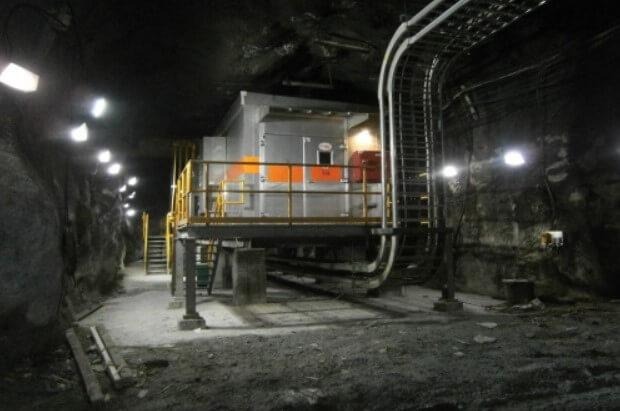
Railway electrification continues to expand across regions, and with it comes the increasing reliance on mobile electrical substations to ensure uninterrupted power supply during maintenance, emergencies, and infrastructure upgrades. While these units offer flexibility and rapid deployment, they also introduce significant safety responsibilities that must be strictly managed.
At Swartz Engineering, safety is treated as a foundational design and operational principle—not an afterthought. Mobile substations used in rail environments must comply with rigorous engineering and operational standards to protect both personnel and critical infrastructure.
Core Electrical Safety Standards
Mobile substations operate at high voltage levels, often integrated directly into traction power systems. To mitigate risks, systems are designed in accordance with international electrical safety standards such as IEC 61936 and IEEE guidelines for high-voltage installations. These standards require proper insulation coordination, grounding systems, and fault interruption mechanisms to prevent arc flash incidents and equipment failure.
A critical component is robust earthing. Proper grounding ensures that any fault current is safely discharged into the earth, minimizing the risk of electric shock or equipment damage. Additionally, redundant protection relays are deployed to instantly isolate faults before they propagate through the rail network.
Mobility-Specific Safety Considerations
Unlike fixed substations, mobile units face additional challenges due to transport, setup, and environmental variability. Mechanical stability is essential—units must be securely anchored to prevent movement during operation or adverse weather conditions.
Cabling systems must also be designed for rapid deployment without compromising insulation integrity. Quick-connect interfaces are commonly used, but they must include interlocking safety mechanisms to prevent energization while connections are incomplete.
Thermal management is another key factor. Mobile substations often operate in constrained spaces, requiring forced-air or liquid cooling systems to maintain safe operating temperatures under load.
Operational Safety and Human Factors
Even the most advanced system is only as safe as its operators. Strict lockout/tagout (LOTO) procedures, routine safety audits, and continuous training are essential components of safe deployment. Personnel must be trained to recognize hazards specific to mobile electrical substations, including step potential risks and backfeed conditions from adjacent energized lines.
Digital monitoring systems now play a growing role, offering real-time diagnostics, load tracking, and predictive maintenance alerts to reduce human exposure to high-risk conditions.
Conclusion
As railway networks modernize, mobile electrical substations will continue to play a critical role in maintaining system reliability and operational continuity. However, their benefits can only be fully realized when safety is deeply integrated into their design, deployment, and operation. Through engineering rigor and disciplined operational practices, companies like Swartz Engineering help ensure that mobility and safety move forward together in the rail industry.
For nearly half a century, Swartz Engineering has been at the forefront of industry safety. They are a family-owned company specializing in power distribution for the electrical industry. They are the leading manufacturer of mobile electrical substations.


Leave a Reply